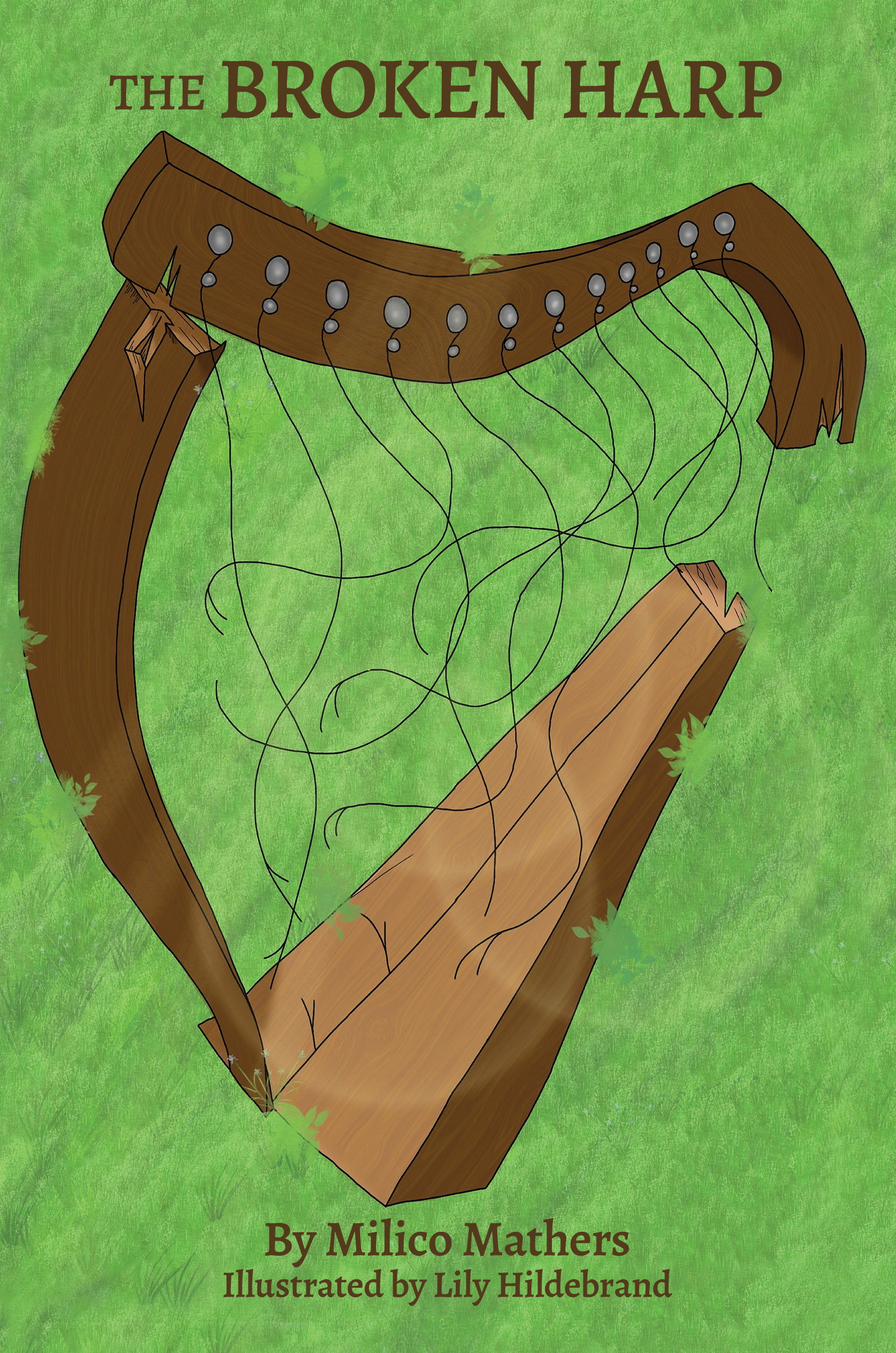
Mathers’ middle-grade novel, set during the early years of World War II, explores divided loyalties among Irish people. It’s a cold March night in 1941, and 12-year-old Brian McGrath is sitting by his father, Seán McGrath, a stonemason, enjoying after-dinner music provided by Brian’s older sister Nan, strumming her Irish harp. There’s a fierce banging on the door before it bursts open. Standing there are members of the Irish police, who unjustly accuse Seán of being a member of the Irish Republican Army; they arrest him and smash Nan’s harp in the process. Before leaving, Seán tells his distraught son Brian, “There’s more than one way to fight, son….Building, it’s another way. Build, the both of you lads.”
World War II is raging, which the Irish refer to as “the Emergency,” and many in the village side with Germany because its government sold them arms during their battle against the British. Brian and his older brother Patrick are performing their daily task of collecting rocks for their father to use to build walls and arches when he returns. They also happen upon a seriously injured parachuter in a Royal Air Force uniform: John Curran, an American who fled to Canada to join the British effort against Germany. Patrick tells Brian that they must show compassion toward John, but Brian isn’t so sure.
Brian narrates this tale about his own precipitous introduction into maturity. Mathers’ easygoing prose effectively reflects Brian’s naïveté as he stands on the precipice of adult understanding and perception.
After the brothers bring John to the cottage of an older, outcast woman whom the townsfolk refer to as “Ole Mary the banshee,” Brian learns that people are not always who they’re reputed to be, and that the world is far more complex than he imagined.
This tender and poignant narrative follows Brian’s psychological and intellectual growth as he and Patrick help Mary with her chores and find out her secrets, and it all ends with a heartwarming surprise. Occasional line drawings by Hildebrand depict key characters and objects, including the titular harp.
A historically informative tale with positive messaging for young readers.